You don’t need a bunker or a budget. Preparedness is just a series of small, calm steps — here’s the order we’d do them in.
If the whole topic feels overwhelming, that’s normal — and it’s usually a sign you’re looking at everything at once. Don’t. Do one of these steps this week, another next week, and within a couple of months you’ll be genuinely ready for the emergencies most families actually face.
New here? Start with the big picture: The Preparedness Pyramid shows how these pieces fit together.
Write a one-page family communication plan: an out-of-area contact, two meeting places, and which device to use. A plan only helps if everyone knows it.
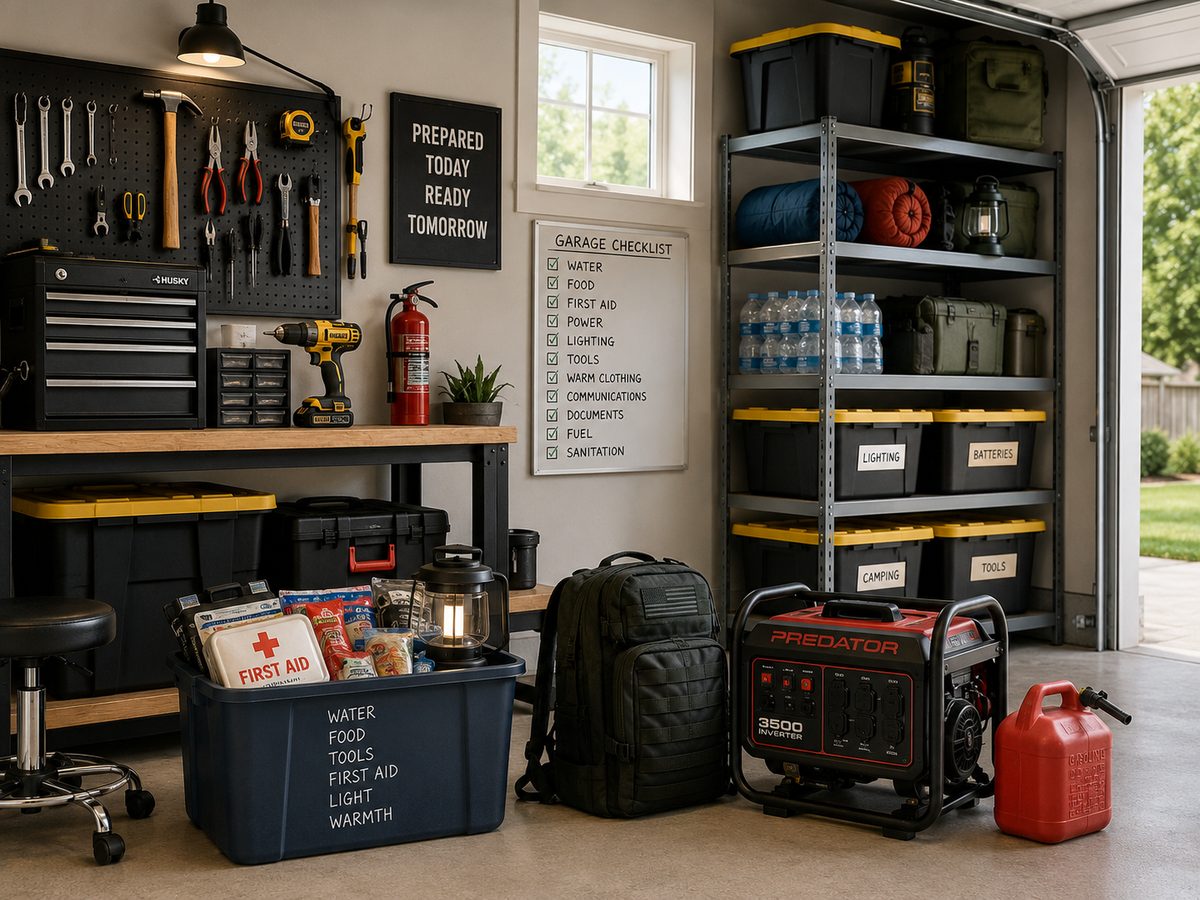
Gather the essentials — water, food, light, first aid, a weather radio, power, warmth, documents. Our kit guide is mostly things you already own.
Decide how you’ll keep phones, lights, and the fridge running. Start with a portable power station; add solar or a generator only if you need it.
Layer in redundancy: two-way radios for the family, a NOAA weather radio for alerts, and — when you’re ready — ham radio for the deepest resilience.
Twice a year, when the clocks change, rotate water and food, test radios and flashlights, and update documents. Fifteen minutes keeps it all ready.
Quiet readiness isn’t about fear. It’s the calm that comes from having handled the basics so you don’t have to panic-buy or improvise when something goes wrong. Prepared, not paranoid. Capable, not anxious.
Ready for step one? Build your 72-hour kit, or browse all our guides.
No fear-mongering, no clutter — just useful things worth your time.