“Backup power” conjures images of a $10,000 whole-home generator wired into the panel. For most families, that’s overkill. The better question isn’t “how do I power the whole house?” — it’s “what do I actually need to keep running, and for how long?” Answer that, and a practical plan usually costs a few hundred to a couple thousand dollars.
List the handful of things that truly matter in an outage: phones, a few lights, the fridge, internet/router, and any medical device (CPAP, oxygen concentrator). Size your power to that list, not to your whole house.
Tier 1: power stations (the easy starting point)
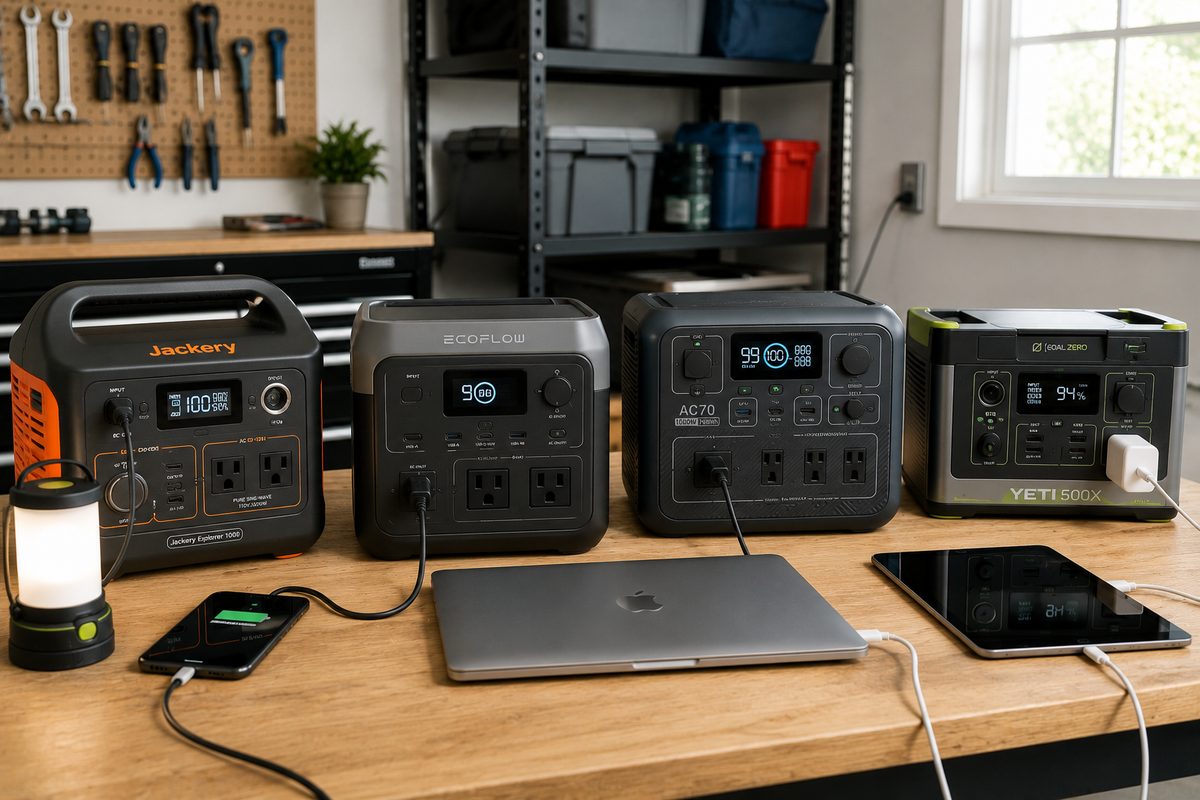
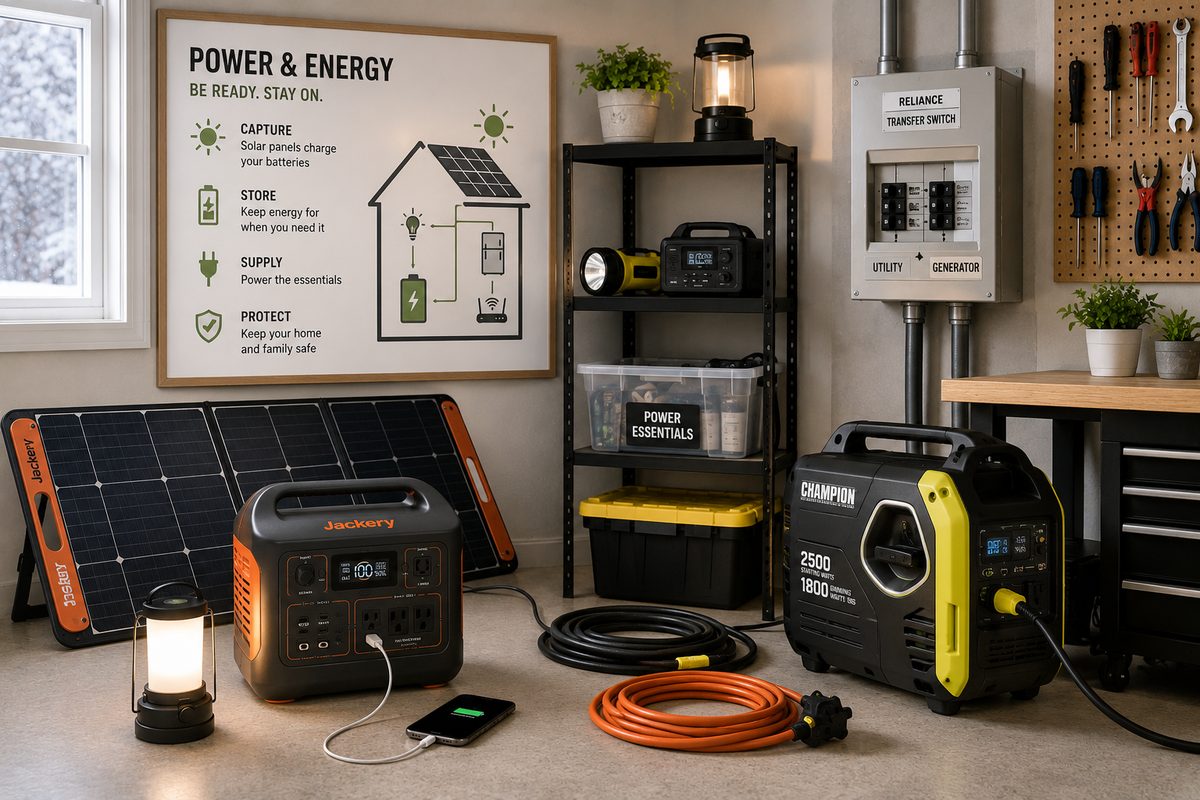
A portable power station is a big battery with normal wall outlets and USB ports built in. No fuel, no fumes, no wiring — you can use it indoors safely, which makes it the right first purchase for most people. Brands like Jackery, EcoFlow, Bluetti, and Goal Zero dominate this space.
The number that matters is watt-hours (Wh) — how much energy it stores. As a rough guide:
- Phones & small devices: a phone holds ~15–20 Wh, so even a small 300 Wh unit recharges a phone a dozen-plus times.
- CPAP overnight: often 30–60 Wh per night (more with a heated humidifier) — a 500–1000 Wh unit covers a night or two.
- Refrigerator: a modern fridge uses roughly 1–2 kWh per day, so a 1000–2000 Wh station keeps food cold for about a day between recharges.
Tier 2: add solar to recharge
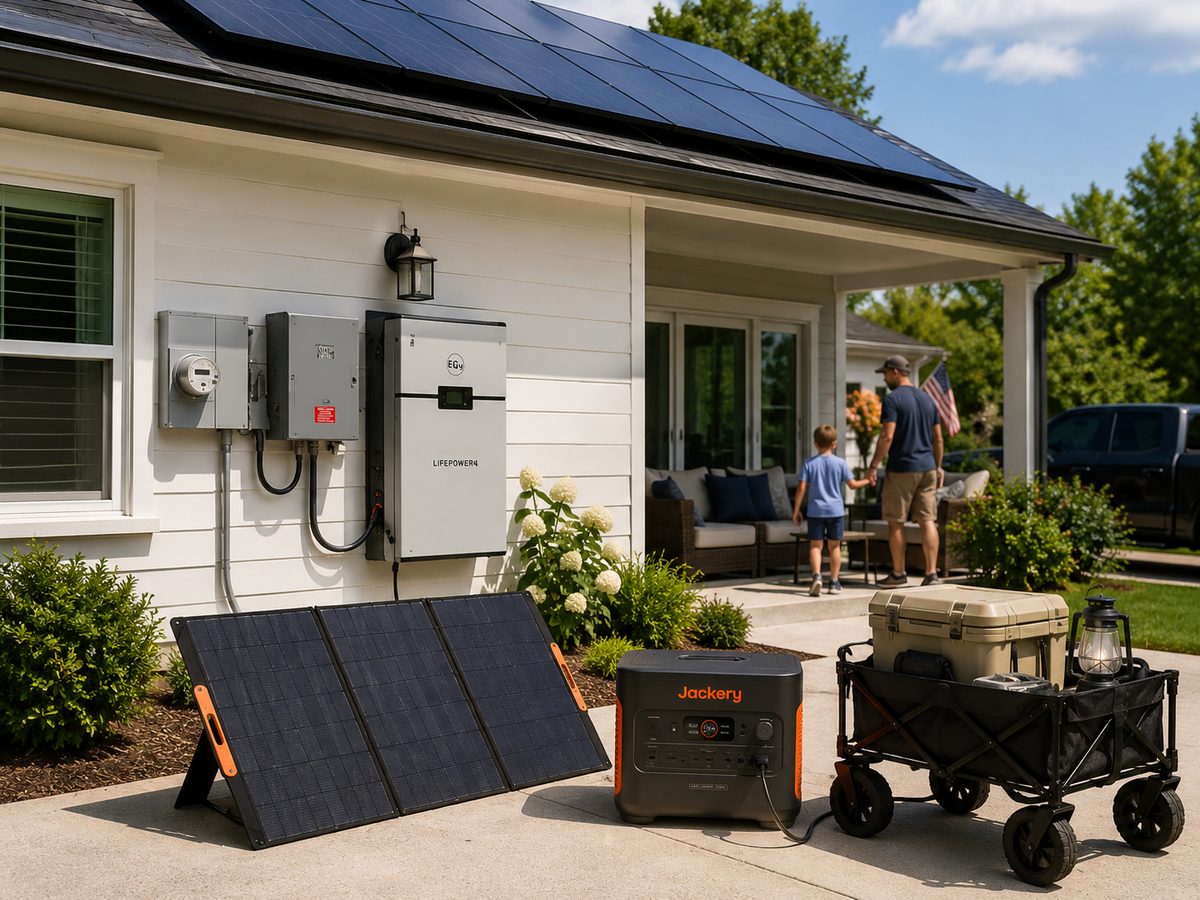
A battery alone runs down. Pair a power station with a folding solar panel and you can top it back up during a multi-day outage — no fuel runs, no noise. It won’t fully run a fridge off sunlight in winter, but it dramatically extends how long your battery lasts. This “solar generator” combo is the sweet spot for quiet, indoor-safe, refuel-free backup power.
Tier 3: a fuel generator for serious outages
If you need to run heavy loads (a full-size fridge plus a space heater, well pump, or window AC) for many days, a fuel generator still wins on raw output per dollar. An inverter generator (like the Champion or Honda inverter models) is quieter and produces cleaner power for electronics than an old-school open-frame unit. Dual-fuel models run on gasoline or propane, and propane stores far longer than gas.
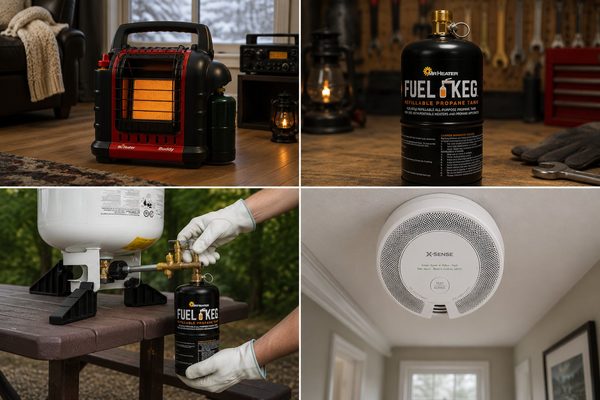
Generators emit carbon monoxide and must run outside, far from windows and doors — never in a garage, even with the door open. Install CO alarms. Let the unit cool before refueling. Plug appliances in directly or use a transfer switch installed by an electrician; never “backfeed” power into a wall outlet.
Our practical picks
Heads up: the gear links below are affiliate links. If you buy through them we may earn a small commission, at no extra cost to you. We only suggest gear we'd actually use. Full disclosure.
 Mid-size power station (1–2kWh) Indoor-safe battery backup for phones, lights, radios, internet gear, and limited fridge or medical-device support. See current price
  Folding solar panel (100–200W) A practical add-on that turns a power station from a one-time battery into a renewable outage tool. See current price
 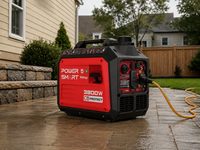 Dual-fuel inverter generator The step-up when batteries aren't enough for fridges, freezers, well pumps, window AC, or multi-day outages. See current price
 See all power & energy picks →
A sane plan for most families
Buy a mid-size power station first — it covers the 80% case (a storm that knocks power out for a day or two) and is safe and simple. Add a solar panel when budget allows. Only step up to a fuel generator if you have specific heavy loads or live somewhere outages routinely last many days. Build it in tiers, and you’ll have real resilience long before you’ve spent $5,000.
Next, make sure you can stay in touch when the grid is down.